Discuss the impact of weather news on daily life and decision-making.
Weather forecasts play a significant role in shaping our daily routines, activities, and overall decision-making processes. From casual outings to critical business operations, the information provided by weather news can influence how individuals and organizations plan their day. With the rising unpredictability of climate patterns, accurate weather predictions have never been more important. Understanding the forecast can mean the difference between a successful event and a canceled plan.Accurate weather forecasts guide various aspects of daily life, including travel, outdoor events, and work schedules.
For instance, individuals often modify their travel plans based on weather predictions. A person might choose to drive instead of fly if the forecast predicts storms affecting the flight path. Similarly, outdoor events such as weddings or picnics rely heavily on reliable weather information. A couple may decide to postpone their outdoor wedding ceremony if heavy rain is forecasted, opting instead for a backup venue.In urban planning, the impact of weather news is equally profound.
City planners utilize weather data to design infrastructure that can withstand extreme weather events. For example, if a city is prone to flooding, planners may design drainage systems that can handle heavy rainfall. This proactive approach not only protects residents but also saves the city money in damage control. Similarly, farmers depend on accurate forecasts for their agricultural practices. They plan planting and harvesting schedules around predicted weather conditions.
A farmer might delay sowing seeds if a dry spell is anticipated, ensuring optimal growth conditions.In summary, weather news influences a wide range of activities and decisions. From travel alterations to event management and urban development, staying informed about the weather can lead to better outcomes and enhanced safety.
Examples of Adjusting Plans Based on Weather Predictions
Many individuals routinely adjust their plans based on the weather forecast. Here are some examples illustrating this adaptive behavior:
- Outdoor Activities: A family might switch their weekend hiking plans to a visit to an indoor amusement park when rain is forecasted.
- Travel Arrangements: Business travelers often check weather updates to avoid potential disruptions, opting for earlier flights if storms are expected.
- Event Planning: Organizers of a local concert may move their event indoors if there is a forecast of high winds or rain, ensuring participant safety.
The importance of reliable weather information cannot be overstated. It serves as a critical tool for making informed decisions regarding daily activities, urban planning, and agricultural practices, ultimately enhancing our preparedness for both routine and extraordinary weather events.
Explore the role of technology in modern weather reporting.
The advancements in technology have significantly transformed the landscape of meteorological science, enhancing the way weather is reported and predicted. Over the past few decades, remarkable developments have improved the accuracy and reliability of weather forecasts, allowing individuals, businesses, and governments to make informed decisions based on real-time data. This evolution has not only added a layer of precision to weather predictions but has also integrated various state-of-the-art tools that help in gathering and disseminating information efficiently.The integration of technology in weather reporting has brought forward an array of sophisticated tools that meteorologists utilize to gather data and provide forecasts.
One of the most significant advancements is the use of satellite imagery and weather radar. Satellites orbiting Earth provide comprehensive views of weather patterns, allowing meteorologists to monitor large-scale systems, such as hurricanes and storms, from a global perspective. These satellites can capture images in various wavelengths, revealing critical information about cloud cover, precipitation, and temperature variations. Weather radar, on the other hand, specializes in tracking precipitation and storm movements with high precision.
Doppler radar systems can detect the velocity of raindrops and other particles, enabling forecasters to identify severe weather events like tornadoes and thunderstorms in real-time. This precision is crucial for issuing timely warnings that can save lives and property. Moreover, the data collected from these technologies can be processed using complex algorithms to generate forecasts that are more accurate than ever before.
Significance of mobile apps and websites for accessing real-time weather updates
In today’s digital age, mobile applications and websites play a pivotal role in providing real-time weather updates. These platforms offer users immediate access to current weather conditions, forecasts, and alerts tailored to their specific locations. The importance of these tools lies in their ability to deliver information quickly and conveniently, ensuring that individuals can stay informed, whether they are at home, at work, or on the go.Mobile weather apps often utilize data from the same satellite and radar technologies that professionals use, ensuring users receive accurate and timely information.
Many of these apps feature interactive maps that show weather patterns in real-time, helping users visualize impending weather changes. They also provide push notifications for severe weather alerts, ensuring that users are warned of potential dangers such as storms, floods, or extreme temperatures.Websites dedicated to weather reporting further enhance the accessibility of information. They offer detailed forecasts, historical data, and advanced tools for analyzing weather trends.
Users can explore various metrics, such as humidity levels, wind speeds, and air pressure, which are critical for understanding weather developments.The significance of technology in weather reporting extends beyond individual users; businesses also benefit immensely from accurate forecasts. For instance, farmers rely on weather applications to make decisions regarding planting and harvesting, while outdoor event organizers use weather updates to ensure guest safety.
The marriage of technology and meteorology not only streamlines the information flow but also empowers individuals and organizations to take proactive measures in response to weather conditions.In conclusion, the role of technology in modern weather reporting cannot be overstated. From satellite imagery and radar systems to mobile apps and websites, these advancements have significantly improved the accuracy and accessibility of weather forecasts, enabling better decision-making across various sectors.
Analyze regional variations in weather news coverage.
Weather news coverage varies significantly across geographical locations, influenced by distinct climate patterns, demographic factors, and local infrastructure. These variations can impact how weather events are reported, the frequency of updates, and the overall public response to weather forecasts. For instance, regions that frequently experience severe weather events tend to have a more robust reporting structure in place, with dedicated meteorological teams and advanced technology used to track and broadcast weather changes.Different areas have unique climatic conditions that dictate the type of weather coverage they receive.
In regions prone to hurricanes, like the Gulf Coast of the United States, weather news is often hyper-focused on storm tracking and preparedness. Local news stations provide continuous updates, often utilizing advanced Doppler radar technologies to give real-time information to residents. In contrast, areas with milder climates, such as the Pacific Northwest, may have less frequent weather broadcasts, focusing instead on seasonal changes and atmospheric conditions like rain patterns or snowfall levels.
Influences on Weather Reporting
Several factors contribute to the variations in weather news coverage across different regions. These include:
- Climate: Regions characterized by extreme weather conditions, such as tornadoes in the Midwest or blizzards in the Northeast, require more detailed and frequent weather reports. The anticipation of weather events leads to a culture of preparedness, which is reflected in the media coverage.
- Demographics: Populations with higher densities in urban areas may demand more frequent updates due to the concentration of people and infrastructure. For example, major cities like New York or Los Angeles have dedicated weather segments that cater to a large audience, offering precise forecasts and alerts.
- Infrastructure: Areas with better access to technology and communication methods can provide faster and more accurate weather updates. For instance, regions with advanced meteorological stations can offer live updates, while rural areas may rely on less immediate forms of communication.
Unique weather events often capture regional interest. For example, the annual monsoon season in South Asia leads to extensive coverage regarding rainfall, flooding, and its impact on agriculture and daily life. Conversely, the phenomenon of “Santa Ana winds” in Southern California, known for causing wildfires, is a prime example of local weather events influencing news narratives, prompting public safety alerts and community preparedness initiatives.
“Weather news is not just about reporting conditions; it’s about preparation and community safety.”
These factors shape not only how weather news is delivered but also the public’s engagement with it. Understanding these regional variations helps in appreciating the importance of localized weather reporting and its implications for communities across diverse climates.
Examine the psychological effects of extreme weather news on communities.
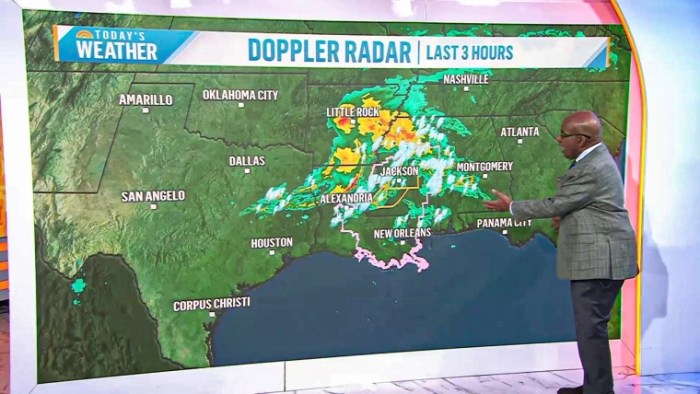
Extreme weather news plays a significant role in shaping the mental health landscape of communities. Reports of severe storms, hurricanes, or floods can invoke feelings of fear, anxiety, and helplessness among residents. When communities are consistently bombarded with warnings about impending disasters, the psychological burden can accumulate, leading to long-term mental health issues. Understanding these effects is crucial for fostering community resilience and ensuring that mental health support systems are in place.Severe weather warnings can lead to a range of psychological responses that impact individuals differently.
The anticipation of disasters can create a constant state of vigilance, manifesting as anxiety, stress, and even depression. Communities often experience collective trauma during and after extreme weather events, where shared experiences of loss and destruction can lead to heightened feelings of vulnerability and helplessness. This shared trauma can affect not only individuals but entire communities, altering their social dynamics and cohesion.
Community preparedness and emotional responses to weather-related disasters, Weather news
Preparedness initiatives are paramount in mitigating the emotional fallout of severe weather events. Communities that engage in proactive planning and education tend to exhibit stronger emotional resilience in the face of disasters. Preparedness can also foster a sense of control among residents, reducing anxiety and fear associated with the unknown.Key factors influencing emotional responses include:
- Community support networks: Strong social ties within communities provide emotional backing that is essential for coping with stress. These networks facilitate open communication, sharing of resources, and social interaction, which can significantly bolster mental health during crises.
- Access to mental health resources: Availability of mental health services plays a critical role in addressing post-disaster trauma. Timely counseling and support groups can help individuals process their emotions and heal.
- Information dissemination: Accurate and timely information about weather events can help reduce panic among residents. Understanding what to expect and having clear instructions can alleviate fear and anxiety.
The emotional aftermath of extreme weather events often leads to stories of resilience and recovery that inspire hope. For instance, following Hurricane Katrina, many communities came together to rebuild and support one another. Local organizations formed to provide mental health resources and support, emphasizing the importance of community in healing. Residents shared their experiences, which fostered solidarity and understanding, helping individuals to process their trauma together.
“Resilience is not about avoiding stress, but about facing it together and emerging stronger.”
In another case, after the devastating wildfires in California, countless stories emerged of neighbors assisting one another, sharing supplies, and providing emotional support. These actions not only helped facilitate recovery but also reinforced the idea that communities can thrive even in the aftermath of devastating disasters. Such narratives highlight the inherent strength of communities and the importance of collective effort in overcoming adversity.Understanding the psychological impacts of extreme weather news is essential for fostering a resilient community.
By prioritizing preparedness and mental health resources, communities can better navigate the emotional challenges posed by severe weather events.
Detail the historical evolution of weather forecasting methods.
Weather forecasting has a rich history that reflects humanity’s evolving understanding of atmospheric phenomena. From the early observations of celestial bodies to today’s sophisticated satellite technology, the journey of meteorology is a testament to human ingenuity. Ancient civilizations relied on the natural environment and seasonal changes to make rudimentary predictions about the weather. Over time, this evolved into more systematic approaches that laid the groundwork for modern meteorology.The history of weather forecasting can be divided into several significant milestones that highlight advancements in techniques and technologies.
In ancient times, cultures such as the Mesopotamians and Egyptians used simple observations of weather patterns and celestial cues to predict seasonal changes, marking the first steps towards formal forecasting.
Milestones in the History of Meteorology
Understanding the key developments in weather forecasting helps appreciate how far the science has progressed. The following points Artikel essential milestones:
-
In the 17th century, barometers were invented, allowing for the measurement of air pressure, which is crucial for understanding weather patterns.
-
The late 19th century saw the establishment of the first weather observation networks, enabling systematic data collection across large areas.
-
The introduction of telegraphy in the 1840s revolutionized meteorology by allowing for rapid transmission of weather data, facilitating real-time forecasting.
-
In 1950, the first numerical weather prediction model was developed, leveraging mathematical equations to simulate atmospheric behavior, marking a significant transition to modern forecasting.
-
By the late 20th century, satellite technology began to play a crucial role, providing comprehensive data on cloud cover, temperature, and other atmospheric conditions from space.
Notable historical weather events have also shaped modern forecasting practices. The Great Galveston Hurricane of 1900, which resulted in thousands of fatalities, underscored the need for accurate weather warnings. Similarly, the deadly Blizzard of 1888 highlighted the importance of timely weather reports for public safety. These events prompted advancements in forecasting techniques and the establishment of more reliable warning systems.In summary, the evolution of weather forecasting has transitioned from observational techniques to advanced science, showcasing the importance of technology and innovation in predicting weather events.
As a result, modern meteorology continues to adapt and improve, ensuring greater accuracy in forecasts that can save lives and property.
Investigate the influence of social media on the dissemination of weather news.
The rise of social media platforms has transformed the way weather information is shared and consumed. Gone are the days when individuals relied solely on traditional media such as radio or television for their weather updates. Today, platforms like Twitter and Facebook play a pivotal role in broadcasting real-time weather news, allowing users to stay informed about severe weather conditions, forecasts, and advisories from a variety of sources.Social media’s impact on weather news dissemination can be seen in how information is shared rapidly and organically.
For instance, during severe weather events, people often turn to Twitter for live updates. Users can follow meteorologists, news organizations, and even local officials to receive immediate information. Hashtags related to specific storms or weather phenomena can trend, amplifying the reach of crucial updates. The immediacy and accessibility of social media make it an essential tool for both professionals and the general public in staying aware of changing weather conditions.
Advantages and Disadvantages of Social Media for Weather Updates
While social media provides several benefits for accessing weather information, it also has its drawbacks. Understanding these can help users navigate the landscape more effectively.The advantages include:
- Real-time updates: Users receive instant notifications about weather changes, allowing for timely decision-making, especially during emergencies.
- Diverse sources: Access to a variety of forecasts from meteorologists, news stations, and even other users enhances the depth of information available.
- Community engagement: Social media fosters a sense of community as individuals share their experiences and observations related to weather events, creating a collective awareness.
However, there are notable disadvantages:
- Information overload: The vast amount of updates can lead to confusion, making it challenging to distinguish credible reports from sensationalized posts.
- Spread of misinformation: False weather forecasts or panic-inducing posts can circulate rapidly, leading to unnecessary fear or misinformed decisions.
- Lack of regulation: Unlike traditional media, social media lacks stringent oversight, resulting in the dissemination of unverified information that may mislead the public.
Social media has particularly demonstrated its usefulness during weather emergencies. For example, during Hurricane Harvey in 2017, numerous local agencies and residents used Twitter to share live updates, photos, and safety information. The hashtag #Harvey became a hub for sharing accounts of rescues and neighborhood conditions, while official accounts provided critical emergency information that reached thousands quickly. Such cases highlight how social media not only enhances the spread of crucial weather updates but also fosters community solidarity in times of crisis.
Discuss the importance of community engagement in weather preparedness.
Community engagement plays a crucial role in weather preparedness, as it fosters a culture of awareness and proactive measures among the public. Local organizations and governments serve as the backbone for educating communities about the risks associated with severe weather, ensuring that individuals are well-equipped to respond effectively. This engagement not only improves knowledge but also enhances community resilience and reduces the overall impact of weather-related disasters.
The role of local organizations and governments in educating the public
Local organizations and governments are essential in disseminating vital information regarding severe weather events. They work together to provide education through various channels such as workshops, seminars, and public service announcements. For instance, the National Weather Service collaborates with local agencies to host community workshops that teach residents about different types of severe weather, emergency preparedness plans, and response strategies.Active participation from local organizations, such as community centers and schools, amplifies these efforts.
These institutions often host educational events that involve interactive activities, helping participants to understand weather patterns and emergency protocols more intuitively. For example, during severe storm seasons, some towns organize safety drills that simulate weather emergencies, enabling residents to practice evacuation routes and emergency communication plans.
Successful community initiatives for weather preparedness
Communities across the nation have implemented successful initiatives aimed at enhancing weather preparedness. Notable examples include:
- Community Weather Watch Programs: These programs encourage residents to monitor local weather conditions and report severe weather to local authorities. For example, the StormReady program by the National Weather Service helps communities develop action plans to prepare for severe weather.
- Disaster Preparedness Fairs: Local governments often organize fairs that bring together a variety of resources, from emergency kit demonstrations to information on evacuation routes. Such events not only educate but also foster community spirit.
- Neighborhood Safety Networks: In some regions, neighborhoods establish safety networks where residents share weather alerts and readiness tips via social media or messaging groups. This grassroots approach keeps everyone informed and prepared.
Fostering community resilience through active participation
Community resilience is strengthened when individuals actively participate in preparedness activities. Engaging in training sessions, volunteer opportunities, and local events cultivates a sense of belonging and responsibility among residents. When community members collaborate, they build relationships that help them unite during crises.Moreover, fostering resilience can be achieved through initiatives that focus on empowering vulnerable populations. For instance, programs that provide language translation services during emergency briefings ensure that non-English speakers have access to critical information.
By addressing these needs, communities can become more cohesive and better prepared to handle severe weather challenges.Community engagement not only enhances knowledge and preparedness but also creates supportive environments where residents can rely on one another in times of crisis, ultimately leading to a stronger, more resilient community.
Explore the connection between climate change and weather news.
As climate change continues to shape our planet’s environment, its impact on weather forecasting and reporting becomes increasingly significant. The link between rising global temperatures and the frequency of extreme weather events has prompted meteorologists and climate scientists to re-evaluate traditional weather patterns. This evolving relationship necessitates a shift in how weather news is communicated to the public, ensuring that communities are prepared for the implications of these changes.The implications of climate change on weather forecasting are numerous and profound.
Traditional models of weather prediction often relied on historical data, assuming that past patterns would continue into the future. However, as climate change alters atmospheric conditions, these models must adapt to account for new variables. Meteorologists are now integrating advanced technologies and climate models that consider the long-term effects of global warming, which can lead to more accurate predictions. For instance, a study by the American Meteorological Society highlights that improved computer simulations have allowed for better forecasting of severe weather events, helping communities prepare for hurricanes, floods, and heatwaves.
Trends in extreme weather events linked to global warming
Recent data indicates a clear trend in the escalation of extreme weather events directly related to global warming. The frequency and intensity of heatwaves, heavy rainfall, and storms have significantly increased, raising concerns about public safety and infrastructure resilience. According to the Intergovernmental Panel on Climate Change (IPCC), heatwaves are occurring more frequently, with the past decade experiencing some of the hottest temperatures on record.
The following points illustrate some key trends observed in extreme weather events due to climate change:
- Heatwaves have become more severe and prolonged, resulting in health crises and increased energy demand for cooling.
- Heavy rainfall events are now more intense, contributing to flooding that disrupts communities and damages infrastructure.
- Hurricanes are not only becoming more powerful but also slow-moving, leading to prolonged periods of destructive winds and rainfall.
- Wildfires are occurring more frequently, fueled by hotter, drier conditions, devastating both ecosystems and human settlements.
These trends highlight the urgent need for a comprehensive approach to weather reporting that emphasizes the connection between climate change and the increasing severity of weather events. Insights from experts underscore the challenges that lie ahead in weather prediction. As climate patterns evolve, meteorologists face the daunting task of refining their models to keep pace with rapid changes. Dr. Jennifer Francis, a leading climate scientist, notes, “The atmosphere is changing in ways we are just beginning to understand, and our models must evolve to reflect these new realities.” Furthermore, the unpredictability of climate-related events makes it difficult to provide timely and accurate forecasts, which can have dire consequences for communities unprepared for sudden shifts in weather.As we navigate this complex relationship between climate change and weather news, it is essential for the media and the scientific community to collaborate closely.
By fostering a better understanding of these connections, we can enhance public awareness and preparedness for the challenges that lie ahead in an increasingly unpredictable climate.
Identify the various sources of weather information and their credibility.
Weather information is crucial for planning daily activities, travel, and critical decision-making affecting safety and health. The credibility of weather sources can vary significantly, making it essential for users to evaluate them effectively. Reliable weather information stems from a variety of sources, ranging from government agencies to private companies and independent forecasters. Understanding how to assess the reliability of these sources helps individuals access the most accurate data.Several factors contribute to the credibility of weather information sources, including the methodology used, the experience of the forecasters, and the history of accuracy in past forecasts.
Established government agencies are often considered among the most reliable sources due to their rigorous data collection methods and scientific backing. For instance, the National Weather Service (NWS) in the United States follows strict protocols for data gathering and analysis. Other reputable sources include international organizations like the World Meteorological Organization (WMO), which provide forecasts based on global data.On the other hand, private companies also offer weather forecasting services, and many have developed advanced technologies and models that sometimes outperform government forecasts.
Companies like AccuWeather and The Weather Channel have built strong reputations through their forecasting accuracy and user-friendly applications. Independent forecasters can offer unique insights, particularly for niche markets such as agriculture or outdoor events. However, their credibility may vary depending on their qualifications and track record.To ensure the accuracy of weather information, it’s essential to cross-reference data from multiple sources.
Relying on a single source can lead to misinformation, especially during severe weather events when conditions can change rapidly. For example, one source may predict heavy rain, while another suggests clear skies. Cross-referencing can help identify a consensus among multiple forecasts, offering a clearer picture of what to expect.
“The best approach to weather forecasting involves synthesizing information from various sources and recognizing discrepancies to make informed decisions.”
The following examples illustrate the range of weather information sources and their credibility:
- Government Agencies:
- National Weather Service (NWS)
-trusted for its scientific approach and accuracy. - National Oceanic and Atmospheric Administration (NOAA)
-provides vital climate and weather data.
- National Weather Service (NWS)
- Private Companies:
- AccuWeather – known for its detailed forecasts and innovative technology.
- The Weather Channel – popular for its user-friendly app and reliable reports.
- Independent Forecasters:
- Weather Underground – offers hyper-local forecasts with community-based data.
- Local meteorologists and blogs – often provide insights based on personal experience and analysis.
Design a framework for enhancing public understanding of weather news.
The communication gap between meteorologists and the public has often led to misinformation and confusion regarding weather forecasts and warnings. To bridge this gap, a structured framework can be developed that enhances public understanding of weather news. This approach focuses on fostering effective communication, utilizing educational programs, and improving accessibility and engagement in weather-related information.
Strategies for Effective Communication
Establishing clear communication channels between meteorologists and the public is vital. This can be achieved through the following strategies:
- Use of plain language: Meteorologists should avoid jargon and instead use straightforward language to explain weather phenomena.
- Real-time updates: Providing timely and consistent updates through various platforms, such as social media, can help keep the public informed during major weather events.
- Visual aids: Incorporating infographics, diagrams, and charts can significantly enhance understanding by illustrating complex weather systems in a digestible format.
These methods aim to create a more informed public that can make better decisions based on weather forecasts.
Educational Programs to Foster Understanding
Implementing educational programs can greatly enhance public knowledge about meteorology and weather patterns. Programs might include:
- School curricula: Introducing meteorology lessons in science classes could provide students with foundational knowledge about weather systems.
- Community workshops: Hosting local workshops led by meteorologists can engage community members, allowing them to ask questions and learn from experts directly.
- Online courses: Offering free online courses focusing on weather phenomena and forecasting can reach a broader audience, accommodating different learning styles and schedules.
These educational initiatives can empower individuals to better understand the weather, thereby reducing panic during severe weather events.
Accessibility and Engagement in Weather News
Enhancing the accessibility and engagement level of weather news is crucial for effective public communication. Consider the following approaches:
- Mobile applications: Developing user-friendly weather apps that provide personalized alerts can ensure that individuals receive pertinent information tailored to their location.
- Inclusive content: Ensuring all weather updates are available in multiple languages and formats, including audio and visual descriptions, can broaden the audience.
- Interactive platforms: Creating interactive websites where users can explore weather data and simulations can increase engagement and understanding.
Incorporating these elements will not only make weather news more accessible but also encourage active public participation in weather-related discussions.
“Effective communication of weather news is essential in preparing and protecting communities from adverse weather conditions.”