Emerging Technologies Transforming Health News Reporting
Advancements in technology are reshaping the landscape of health journalism, enabling journalists to deliver more timely, accurate, and engaging health news. From innovative tools that streamline reporting to data-driven storytelling techniques, these developments enhance the way information is communicated to the public, ultimately improving health literacy and fostering informed decision-making.
Technological Tools Used in Health Journalism
A variety of new technological tools have emerged in health journalism, transforming how stories are researched, reported, and presented. These tools not only enhance the accuracy of reporting but also make health news more accessible and engaging to audiences. Key tools include:
- Artificial Intelligence (AI): AI-powered algorithms assist reporters in analyzing large datasets, predicting health trends, and even generating automated news stories based on real-time data.
- Virtual Reality (VR) and Augmented Reality (AR): These technologies provide immersive experiences, allowing audiences to understand complex health topics through interactive visualizations and simulated environments.
- Wearable Technology: Devices such as fitness trackers and smartwatches enable journalists to gather firsthand data on health behaviors, providing richer context for health stories.
Impact of Data Journalism on Health Coverage, Health news
Data journalism plays a pivotal role in the coverage of health topics by providing a foundation for evidence-based reporting. It allows journalists to analyze and visualize data, transforming raw statistics into compelling narratives that inform readers. The importance of data journalism is reflected in the following aspects:
- Enhanced Credibility: Journalists employ data-driven insights to back up claims, making health news more trustworthy and reliable.
- Visual Storytelling: Infographics and data visualizations help convey complex health information in a digestible format, enhancing audience engagement.
- Trend Analysis: By analyzing health data over time, journalists can identify patterns and trends, shedding light on emerging health issues and guiding public discourse.
Role of Mobile Apps in Health Reporting
Mobile applications are increasingly pivotal in providing timely health updates and information to the public. These apps empower users to access health news on-the-go and connect with relevant health resources. Their significance lies in the following features:
- Real-Time Updates: Mobile apps deliver breaking health news notifications, ensuring users stay informed about critical health developments as they happen.
- Personalized Content: Many apps use algorithms to customize news feeds based on user interests and health concerns, enhancing relevance and engagement.
- Accessibility of Resources: Users can easily access health-related articles, research studies, and expert opinions, promoting informed health decisions at their fingertips.
Ethical Considerations in Health News Reporting
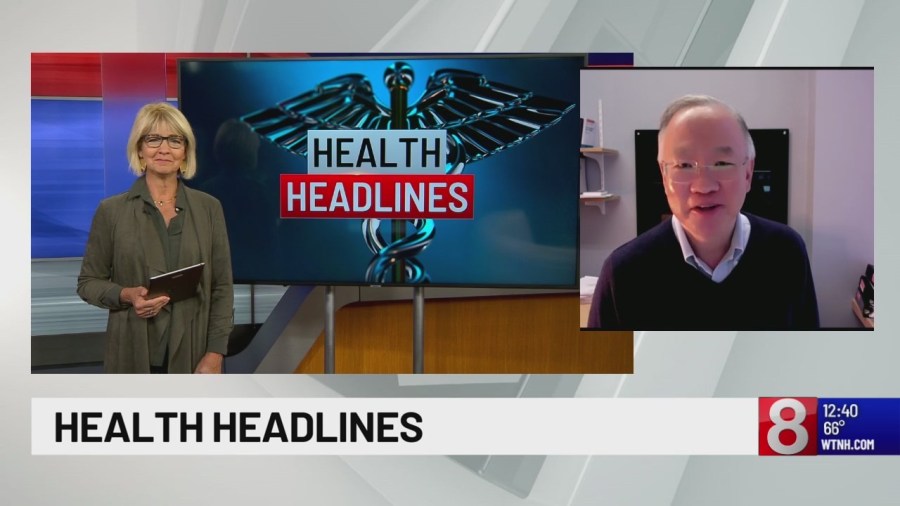
The landscape of health news reporting is fraught with ethical dilemmas that require careful consideration by journalists. This is particularly important as health information can significantly impact public perception and behavior. Journalists must navigate a variety of ethical concerns, including accuracy, sensitivity, and the potential consequences of their reporting.One of the primary ethical dilemmas faced by health journalists is the challenge of reporting on sensitive topics, such as mental health issues or diseases with a stigma attached.
Balancing the need to inform the public while respecting the privacy of individuals can be a delicate task. Ethical reporting requires health journalists to ensure that their content does not perpetuate stereotypes or cause undue harm.
Importance of Fact-Checking in Health News
Fact-checking is a critical component of health news reporting, essential for maintaining credibility and trust with the audience. In an era where misinformation can spread rapidly, journalists have a responsibility to verify their sources and data before publication. The consequences of publishing unverified information can be severe, potentially leading to public confusion and panic.Health journalists must implement systematic fact-checking processes to ensure their reports are grounded in reliable scientific evidence.
This includes not only confirming the authenticity of sources but also understanding the context in which studies are conducted. For instance, a study on a new medication’s effectiveness may have limitations that are crucial to disclose, as failing to do so could mislead the public into making uninformed health decisions.
Consequences of Misinformation on Public Health
Misinformation in health news can incite public health crises, as seen in various instances over the years. The spread of false information regarding vaccines during the COVID-19 pandemic is a prime example. Such misinformation can lead to vaccine hesitancy, undermining public health efforts and prolonging the pandemic. To illustrate, during the vaccine rollout, various social media platforms became inundated with claims about vaccine safety that were not backed by scientific evidence.
This not only led to increased skepticism among the public but also resulted in a rise in preventable diseases that had previously been under control.The implications of misinformation are profound, potentially resulting in:
- Increased morbidity and mortality rates due to preventable diseases.
- Strain on healthcare systems as they attempt to manage outbreaks that could have been avoided.
- Widespread public distrust in health authorities and medical professionals.
It is imperative for health journalists to prioritize accuracy and clarity in their reporting, as the stakes involve not just individual health, but the wellbeing of entire communities.
The Impact of Health News on Public Health Policies
The intersection of health news and public health policies is a critical area where media coverage directly influences legislative action. Health news serves not only to inform the public but also to shape the priorities of policymakers. The way stories are framed and the issues highlighted by the media can lead to significant shifts in public health initiatives and funding.Media coverage of health-related issues has a profound impact on legislative actions.
When a particular health concern is brought to the forefront, it often compels lawmakers to respond with new policies or regulations. For instance, the extensive media coverage of the opioid crisis led to numerous states implementing stricter prescription guidelines and increased funding for addiction treatment programs. This demonstrates how an issue gaining traction in the news can catalyze urgent policy responses.
Health Issues Gaining Attention Through News Media
Several health issues have captured public attention through news media, ultimately leading to policy change. The following examples illustrate this phenomenon:
- Opioid Epidemic: The alarming rise in opioid-related overdoses was widely reported, prompting emergency declarations and legislation aimed at combating addiction.
- COVID-19 Pandemic: Coverage of the pandemic led to unprecedented public health measures, including lockdowns, mask mandates, and vaccine distribution efforts.
- Gun Violence and Public Health: Increased reporting on gun violence as a public health crisis led to calls for gun control legislation and funding for mental health services.
- Obesity and Nutrition: Media focus on rising obesity rates has influenced policies around school nutrition programs and labeling regulations for food products.
These examples highlight the essential role that media plays in shaping health narratives and influencing public policy.The relationship between health awareness and policy changes is evident in the way that increased knowledge and public discourse on health issues can lead to more informed legislative decisions. Policymakers often rely on the public’s awareness and concern over health topics to prioritize funding and resources effectively.
“The media acts as a bridge between public health issues and legislative urgency, highlighting the need for immediate action.”
When health stories resonate with the public, they can lead to increased advocacy and mobilization, pushing policymakers to take action. As awareness grows, so does the expectation for government accountability in addressing these pressing health concerns. The result is a dynamic interplay where health news not only informs but actively shapes the landscape of public health policy.
Understanding the Audience for Health News
The audience for health news encompasses a diverse range of demographics, each with their unique interests and needs. Understanding these demographics is crucial for health journalists as they craft content that resonates with readers. By tailoring health news to specific groups, journalists can enhance engagement and provide relevant information that meets the audience’s health literacy levels.The demographics most likely to consume health news include various age groups, educational backgrounds, and health literacy levels.
For instance, older adults may seek information on chronic diseases, preventive measures, and wellness tips, while younger audiences often look for topics related to fitness, mental health, and nutrition. Moreover, individuals with higher education levels might prefer in-depth analyses and research-based articles, while those with lower health literacy may benefit from simplified content featuring clear explanations and practical advice.
Demographic Variations in Health News Consumption
Different demographic groups exhibit distinct preferences when it comes to consuming health news. Understanding these preferences allows journalists to shape their content accordingly. The following factors play a significant role in how health news is received:
- Age: Younger audiences often engage more with digital formats, including social media and short videos, while older adults may prefer traditional print media and longer articles.
- Education Level: Individuals with advanced degrees may favor scientific studies and detailed reports, while those with less formal education might appreciate straightforward language and practical tips.
- Health Literacy: Audiences with high health literacy can comprehend complex medical terminology, whereas those with lower literacy levels benefit from health news that uses simple language and avoids jargon.
- Geographic Location: Regional health issues impact content preferences; urban residents may seek information on different health trends than those living in rural areas.
Tailoring health news to these demographic variations is essential, as it enhances the relevance and impact of the information conveyed. For example, health journalists might use infographics or visual aids to explain complicated medical concepts, making it accessible for broader audiences.
“Crafting health news that resonates with the audience ensures that important information reaches those who need it most.”
In summary, recognizing the diverse demographics that consume health news is vital for journalists striving to inform and engage their readers effectively. By catering to the specific interests and comprehension levels of different groups, health news can become a powerful tool in promoting public health and informed decision-making.
The Influence of Celebrity Health News on Public Perception
Celebrity health stories have a profound impact on public interest and attitudes towards various health issues. When a well-known figure discusses their health challenges or advocates for specific health initiatives, it can draw significant media attention and shape public discourse. The personal narratives shared by celebrities often resonate with the general population, leading to increased awareness and action regarding health topics that may have previously been overlooked.Public figures play an essential role in promoting health awareness through their platforms.
Their influence can spark conversations about pressing health issues, encourage healthy behaviors, and motivate individuals to seek information or assistance. The stories shared by these celebrities not only humanize health struggles but also create relatable connections that foster community support and engagement in health initiatives.
Notable Celebrity Health Influencers
Several celebrities have made considerable impacts on public health perceptions through their personal stories and advocacy efforts. Their visibility and credibility often lead to increased interest in specific health issues. Some noteworthy examples include:
- Selena Gomez: After publicly sharing her lupus diagnosis and subsequent kidney transplant, Gomez has heightened awareness of autoimmune diseases and the importance of organ donation. Her candid discussions encourage fans to prioritize their health and understand chronic illnesses.
- Michael J. Fox: As an advocate for Parkinson’s disease research, Fox has raised millions through the Michael J. Fox Foundation. His openness about living with Parkinson’s has significantly increased public understanding and support for research initiatives aimed at finding a cure.
- Angelina Jolie: Jolie’s decision to undergo a preventive double mastectomy after discovering she carries the BRCA1 gene mutation sparked widespread discussions about genetic testing and breast cancer awareness. Her story has inspired many to consider genetic counseling and proactive health measures.
Celebrity health stories often serve as a catalyst for public engagement with health topics. They motivate individuals to discuss their own health issues and seek treatment or preventive measures. In this way, public figures not only shape perceptions but also contribute to a culture of health awareness and proactive health management.
“The stories shared by celebrities often resonate with the general population, leading to increased awareness and action regarding health topics that may have previously been overlooked.”
Comparative Analysis of Global Health News Coverage
Health news coverage varies significantly across the globe, influenced by cultural, economic, and political factors. Different countries prioritize different health issues, shaping how information is disseminated to the public. Understanding these variations provides insight into the global health landscape and highlights areas for improvement in health communication.Cultural influences play a pivotal role in health news reporting. The way health issues are perceived and reported can differ markedly based on regional beliefs, traditions, and societal norms.
For instance, countries with collectivist cultures may emphasize community health and preventative measures more than individual health outcomes. This section delves into how these cultural factors shape reporting styles and the narratives surrounding health issues.
Variations in Health News Reporting
Various regions exhibit distinctive approaches to health news coverage. These differences can be attributed to media freedom, public interest, and government involvement in health communication. Below are key points illustrating these variations:
- United States: Health reporting often focuses on individual health rights, medical advancements, and personal stories that resonate with the public. The media tends to emphasize breakthrough treatments and innovations, often driven by a competitive healthcare market.
- Europe: Many European countries prioritize public health initiatives, with a focus on healthcare systems and policies. Reporting often highlights the importance of universal healthcare access and preventive care, reflecting the region’s social welfare values.
- Asia: In many Asian countries, health news may be influenced by traditional medicine and cultural beliefs. The reporting can vary significantly between urban and rural areas, where access to information and healthcare resources can differ widely.
- Africa: Health news coverage in Africa often focuses on infectious diseases and public health emergencies, frequently driven by international aid and philanthropic organizations. However, there are significant gaps in coverage regarding non-communicable diseases and mental health issues.
“The narrative around health issues is as influential as the information itself, often dictating public response and policy direction.”
Identifying gaps in health reporting reveals critical areas where information may be lacking or where coverage is inconsistent. Regions may overlook pressing health issues due to a variety of factors, including political instability or lack of resources. The following points highlight specific gaps in health reporting:
- Mental Health: Despite rising awareness, many regions continue to lack adequate reporting on mental health issues, particularly in low-income countries where stigma prevails.
- Chronic Diseases: Comparatively less attention is given to chronic diseases outside of emergency contexts, particularly in regions where immediate health crises dominate news cycles.
- Health Disparities: Coverage often fails to adequately address disparities in health outcomes among different population groups, limiting the public’s understanding of systemic issues.
The Rise of Podcasts as a Medium for Health News
The popularity of health-related podcasts has surged in recent years, transforming the way audiences consume health information. This medium offers listeners a convenient and engaging method to stay informed about a variety of health topics, from wellness trends to medical breakthroughs. With the increasing reliance on digital content, podcasts have emerged as a trusted source for disseminating information and fostering discussions around health and wellness.Audio formats have unique advantages that can enhance the understanding of complex health topics.
They allow for a deeper exploration of intricate ideas in a more digestible format, often facilitated by expert interviews, personal anecdotes, and relatable storytelling. This approach demystifies difficult concepts, making them accessible to a broader audience. Furthermore, the ability to listen on-the-go fits seamlessly into busy lifestyles, ensuring that health news reaches people in a way that traditional media may not.
Successful Health News Podcasts and Their Impact
Several health news podcasts have gained recognition for their engaging content and informative perspectives. These programs not only provide valuable insights but also contribute to public awareness and education around health issues. Notable examples include:
- This Podcast Will Kill You
-Hosted by two epidemiologists, this podcast delves into various infectious diseases, sharing historical context, personal stories, and public health implications in an entertaining manner. - TEDTalks Health
-Featuring TED speakers and experts, this podcast offers short yet powerful talks on diverse health topics, sparking curiosity and promoting valuable discussions. - The Doctor’s Farmacy
-Dr. Mark Hyman interviews leading experts in health, nutrition, and medicine, emphasizing the importance of understanding food systems and their impact on our health.
These podcasts exemplify how audio formats can effectively engage listeners, providing them with knowledge that may influence their health choices and behaviors. The interactive nature of podcasts allows for listener feedback and community building, further enhancing their impact on public health discourse.
“Podcasts create a unique opportunity for health professionals to share their expertise in an accessible format, empowering listeners with knowledge that can lead to healthier lifestyles.”
The Relationship Between Health News and Mental Health Awareness
Health news plays a crucial role in shaping public perception and understanding of various health issues, including mental health. While it can help destigmatize mental health conditions by providing information, it can also contribute to the stigma surrounding them if not reported accurately. This dual potential makes the responsibility of health journalists vital in fostering a healthy discourse around mental health.Accurate reporting is essential in helping the public understand mental health issues and reducing stigma.
Misinformation can lead to negative stereotypes and misconceptions, which perpetuate discrimination against individuals suffering from mental health conditions. For instance, sensationalized reporting that associates violence with mental illness can reinforce harmful stereotypes, making it harder for those affected to seek help.
Examples of Positive Health News Impacting Mental Health Awareness
Several health news pieces have made significant strides in promoting mental health awareness and reducing stigma. These stories often highlight personal narratives, expert opinions, and emerging research findings. Notable examples include:
- One notable article showcased the experiences of individuals living with anxiety and depression, emphasizing their journeys towards recovery. This narrative approach normalized mental health struggles and encouraged open conversations, helping readers relate to the experiences shared.
- A comprehensive report on the importance of mental health during the COVID-19 pandemic illustrated the surge in anxiety and depression rates. By discussing the challenges faced by many and the available resources for support, the piece helped raise awareness about mental health’s significance during crises.
- Another impactful piece discussed the rise of mental health apps and their benefits, highlighting how technology can aid in mental wellness. It provided insights into various tools available for anxiety management and mood tracking, encouraging readers to explore these innovative solutions.
“Accurate health journalism has the power to transform how society views mental health, fostering understanding and compassion.”
These examples demonstrate that well-researched, empathetic health news can effectively tackle stigma and promote mental health awareness, ultimately leading to a more informed and supportive society.
Future Trends in Health News Reporting
The landscape of health news reporting is continuously evolving, driven by advancements in technology, shifts in audience expectations, and the ever-changing dynamics of the healthcare ecosystem. As we look towards the future, several emerging trends are expected to shape how health journalism is practiced and consumed. Understanding these trends will be crucial for both journalists and audiences seeking reliable health information in a digital age.
Emerging Trends in Health Journalism
The future of health journalism will likely be influenced by several key trends. These trends include the integration of multimedia storytelling, an increased focus on personalized health information, and the rise of community-driven reporting. The following points highlight these advancements:
- Multimedia Storytelling: Health stories will increasingly utilize video, infographics, and interactive elements to engage audiences more effectively. This diverse approach helps to simplify complex health topics and makes information more accessible.
- Personalization: With advancements in data analytics, health news will cater to individual preferences and needs, providing tailored content that resonates with readers’ specific health concerns.
- Community Engagement: Journalists will increasingly collaborate with local communities to identify health issues relevant to their regions, fostering a more grassroots approach to health news reporting.
Impact of AI and Automation on Health News
The influence of artificial intelligence (AI) and automation in health journalism is poised to be transformative. These technologies can enhance reporting accuracy, streamline content creation, and even assist in data analysis. Here are some noteworthy aspects of this impact:
- Automated Reporting: AI can generate standard health news reports, such as updates on drug approvals or disease outbreaks, allowing journalists to focus on more in-depth investigations.
- Data Analysis: AI-powered tools can analyze vast amounts of health data to identify trends and predict future health crises, enabling journalists to deliver timely and relevant stories.
- Fact-Checking: Automation can assist in verifying the accuracy of health claims and statistics, a critical component in maintaining trust and credibility in health reporting.
Importance of Journalistic Integrity
As the landscape of health journalism evolves, maintaining journalistic integrity becomes paramount. The reliability of health information can significantly impact public health decisions and perceptions. Upholding ethical standards in reporting is essential for the following reasons:
- Building Trust: Accurate and transparent reporting fosters trust between journalists and their audiences, which is crucial in a field where misinformation can lead to harmful consequences.
- Accountability: Journalists must be accountable for the information they disseminate, particularly in health reporting where the stakes can be incredibly high, such as during a public health crisis.
- Promoting Informed Decision-Making: By adhering to ethical guidelines, health journalists empower audiences to make informed choices about their health based on credible and factual information.
“The integrity of health journalism is critical in shaping public understanding and response to health issues.”