The importance of global communication in shaping world news
In today’s interconnected world, the role of global communication in shaping world news cannot be overstated. Effective communication channels ensure that information can be disseminated quickly and accurately across different regions, influencing public perception and response to events as they unfold. The evolution of technology has transformed how news is produced and consumed, allowing for a more informed global audience.The dissemination of world news relies heavily on various communication channels, which can significantly influence the speed and accuracy of information shared.
Major news outlets such as BBC, CNN, Al Jazeera, and Reuters are at the forefront of global news sharing, providing coverage that reaches millions. These organizations utilize a mix of traditional media and digital platforms to ensure their reporting is accessible to a wide audience.
Impact of Social Media on World News Dissemination
The rise of social media platforms has dramatically changed the landscape of news dissemination, enabling faster and broader reach than traditional media alone could offer. Social media serves as a platform for real-time updates, allowing users to share news as it happens, thus creating a dynamic flow of information. This immediacy has implications for both the credibility of news and the way it is consumed.The following points highlight the significance of social media in shaping world news:
-
Speed of Information: Social media allows news to spread rapidly. Events that might take hours or even days to get reported through traditional channels can be shared instantly on platforms like Twitter and Facebook.
-
Broader Audience Reach: News shared on social media can reach a global audience without the barriers of geographical limitations, expanding the scope of the news beyond regional boundaries.
-
User Participation: Social media empowers users to share their perspectives and experiences related to world events, often providing a more nuanced and personal context to the news.
-
Fact-Checking: The collaborative nature of social media allows users to fact-check information on-the-go, fostering a community of informed individuals who contribute to more accurate news reporting.
As a result of these factors, the landscape of global news is continuously evolving, driven by the influence of social media and its capacity to shape public discourse. The interconnected nature of communication today ensures that world news is not only disseminated but also contextualized in real-time, affecting how societies perceive and respond to global events.
The role of technology in the evolution of world news
In today’s fast-paced world, technology plays a critical role in how news is reported, consumed, and disseminated. The evolution of various technological advancements has significantly transformed the landscape of world news, reshaping the way journalists operate and how audiences engage with information. As emerging tools and platforms continue to develop, the journalism industry has adapted to ensure that news remains accessible, accurate, and timely.The impact of technology on news reporting cannot be overstated.
With the introduction of the internet, the traditional models of journalism have shifted dramatically, leading to real-time reporting and global dissemination of information. Social media platforms have emerged as pivotal tools for news sharing, enabling journalists to reach a broader audience instantaneously. The rise of smartphones has further accelerated this transformation, allowing users to access news on-the-go, thus changing the dynamics of audience engagement and interaction.
Key Technologies Transforming World News
Several specific technologies have significantly altered the news landscape, facilitating new methods of reporting and audience interaction. These technologies not only streamline the process of news creation but also enhance the ways in which information is analyzed and presented.
- Social Media: Platforms like Twitter and Facebook have become essential for news dissemination, allowing journalists to share breaking news updates directly with audiences. This immediacy has reshaped expectations for how quickly news is reported.
- Mobile Technology: With the prevalence of smartphones, news has become more accessible than ever. Mobile apps offer users customized news feeds, notifications, and live updates, which have changed how people consume content.
- Data Journalism Tools: Technologies such as data visualization software and statistical analysis tools empower journalists to analyze data more efficiently, creating in-depth stories backed by concrete evidence.
- Artificial Intelligence: AI is increasingly used in newsrooms for tasks like content curation, fact-checking, and even writing basic news reports. This allows journalists to focus on more complex storytelling tasks.
- Video Streaming Technologies: The growth of platforms like YouTube and live streaming services has enabled news organizations to provide live coverage of events, allowing audiences to witness events as they unfold.
The journalism field has adapted remarkably to incorporate these new technologies. Newsrooms have embraced multimedia storytelling, leveraging video, audio, and interactive elements to engage audiences more effectively. Training programs for journalists now emphasize digital literacy, ensuring that reporters are equipped to navigate the evolving technological landscape. Furthermore, collaborations between tech companies and media organizations are increasingly common, fostering innovation and enhancing the quality of news reporting.
“Technology has not only transformed how we report news but has also changed how the audience interacts with it.”
Understanding the geopolitical influences on world news coverage
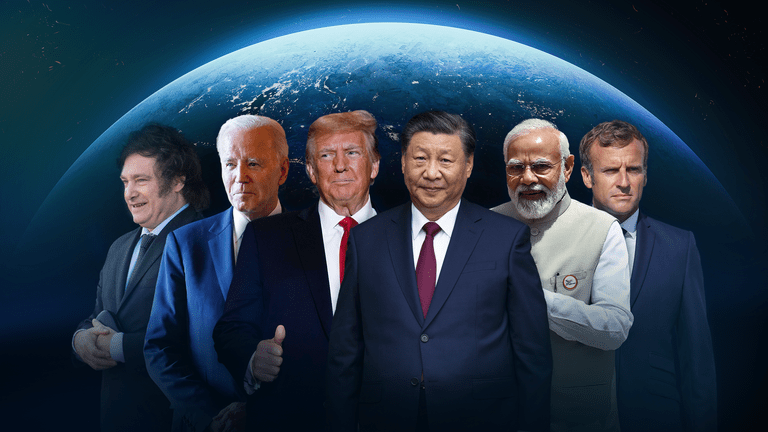
The landscape of world news coverage is significantly shaped by geopolitical influences, which dictate how events are portrayed across different media outlets. Geopolitics involves the way countries interact on a global scale, affecting international relations, trade policies, and military strategies. As news organizations report on these interactions, the narratives they construct can heavily reflect the political biases and interests of their respective nations.
This influence can lead to varying interpretations of the same event, depending on the geographic and political positioning of the reporting country.Geopolitics not only shapes the focus of news coverage but also the tone and context within which events are discussed. Countries often highlight news that aligns with their foreign policy objectives or national interests while downplaying or ignoring events that do not serve their agenda.
This selective reporting can result in a distorted global perception of important issues.
Impact of Geopolitical Factors on News Narratives
The influence of geopolitics on news narratives is evident in various case studies that highlight how different countries approach the same events from distinct angles. The following examples illustrate this phenomenon:
- The Ukraine Conflict: The coverage of the Russia-Ukraine war has been heavily influenced by geopolitical alliances. Western media outlets commonly portray Russia as the aggressor, emphasizing human rights violations and territorial invasions, while Russian state media depict the conflict as a response to NATO expansion and the need to protect Russian-speaking populations in Ukraine.
- The Middle East and Its Crises: Coverage of events in the Middle East, particularly regarding Israel and Palestine, varies widely. Western media often focus on Israel’s right to defend itself, while outlets in the Arab world critique the humanitarian impact on Palestinians. This divergence illustrates how national perspectives can shape reporting on complex issues.
- The COVID-19 Pandemic: Different countries reported on the pandemic according to their socio-political narratives. For instance, while Western media highlighted failures in the initial responses of governments, countries like China emphasized their swift containment measures and success in controlling the virus, thus shaping global perceptions of their governance and crisis management.
The geopolitical context significantly influences which stories are prioritized and how they are framed. Each nation’s perspective is often guided by its historical relationships, current political alliances, and economic interests, revealing the complex layer of biases that underlie world news coverage.
“The media acts as a mirror to geopolitical realities, often reflecting the interests of those in power.”
The impact of cultural differences on the reporting of world news
Cultural differences play a significant role in how world news is reported and perceived. The lens through which news is viewed varies widely among different cultures, influencing the framing, emphasis, and interpretation of events. This divergence can lead to contrasting narratives about the same incidents, shaped by historical contexts, societal values, and national priorities.The portrayal of news stories often reflects the cultural backgrounds of the journalists and their respective audiences.
For instance, a natural disaster reported in a Western news outlet may focus primarily on the immediate human impact and the response from international aid organizations. In contrast, a news outlet from a developing country may highlight governmental failures and the socio-economic factors that contributed to the disaster’s severity. These differences in focus can profoundly affect the audience’s understanding and response to the event, shaping public opinion and policy decisions.
Comparative coverage of significant events
Analyzing the coverage of the 2021 U.S. Capitol riot illustrates how cultural perspectives can affect reporting. Outlets like BBC and Al Jazeera provided distinct narratives that emphasized different angles of the event.
BBC
Focused on the implications for democracy, highlighting the reactions from global leaders and the potential for increased political polarization in the U.S. Their reporting included a broad analysis of how such events resonate with democratic practices worldwide.
Al Jazeera
Emphasized the socio-political context, providing insight into the underlying issues of racial tension and the political climate that led to the riot. Their coverage included voices from various communities, portraying how the event fits into the larger narrative of social justice.These contrasting perspectives demonstrate how cultural backgrounds shape journalistic priorities, leading to variations in the interpretation and significance of events.
Challenges faced by journalists in cross-cultural reporting
Journalists navigating cultural boundaries encounter several challenges that can complicate their reporting. Understanding local customs, historical contexts, and language nuances is crucial for accurate reporting.
Cultural Sensitivity
Reporters must be aware of cultural taboos and sensitivities to avoid misrepresentation. For example, discussing topics related to religion or gender may vary in acceptability across cultures.
Language Barriers
Subtle meanings and idiomatic expressions often get lost in translation, which can lead to misunderstandings or misinterpretations of the facts.
Access to Information
In some regions, journalists face restrictions on press freedom, affecting their ability to gather information or present a complete story. For instance, state-controlled media may present a skewed view of events, limiting the diversity of perspectives available to the public.
Bias and Prejudices
Journalists may unintentionally bring their own biases into their reporting, influenced by their cultural backgrounds. This can affect how stories are framed and which voices are amplified.These challenges underscore the necessity for media organizations to foster an understanding of diverse cultural contexts to enhance the accuracy and integrity of world news reporting.
Ethical considerations in world news reporting
World news reporting plays a critical role in shaping public perception and understanding of global events. Journalists face numerous ethical dilemmas that can influence the integrity and credibility of their work. Ethical considerations are particularly significant in this field, as they often involve sensitive topics that impact individuals and communities worldwide.One of the key ethical dilemmas faced by journalists in world news coverage is the challenge of balancing sensationalism with responsible reporting.
Journalists might feel pressured to captivate audiences, leading to the potential for exaggerated or misleading narratives. Moreover, ethical issues arise when reporting on conflicts, natural disasters, or human rights violations, where the dignity and privacy of affected individuals must be respected. The importance of objectivity and fairness cannot be overstated, as biased reporting can exacerbate tensions and misinform the public.
Examples of ethical breaches in world news
Several high-profile controversies have highlighted the consequences of ethical breaches in world news reporting. These instances serve as cautionary tales for journalists and media organizations alike.One notable example is the coverage of the 2014 Ebola outbreak in West Africa, where some media outlets sensationalized the crisis. This led to fear and stigma surrounding those affected by the disease, overshadowing critical public health messages about prevention and treatment.
Such sensationalism not only misled audiences but also hindered efforts to manage the outbreak effectively.Another significant controversy involved the reporting on the Syrian civil war, where journalists often faced dilemmas regarding the use of graphic imagery. While some outlets utilized distressing images to convey the severity of the situation, others faced backlash for desensitizing audiences or exploiting human suffering for ratings.
The ethical consideration here revolves around striking a balance between raising awareness and respecting the victims’ dignity.
“Ethical journalism is not a luxury; it is a necessity in times of crisis.”
The use of anonymous sources can also lead to ethical concerns. In some instances, journalists reported information from unidentified sources that proved to be inaccurate or misleading, which damaged the credibility of the media outlet involved. This emphasizes the need for rigorous fact-checking and transparency in sourcing information.These examples illustrate the complex landscape of ethical considerations in world news reporting.
Decisions made by journalists can have far-reaching implications, making it essential for them to adhere to established ethical standards and principles in their reporting practices.
The influence of economic factors on world news distribution
Economic disparities across the globe significantly shape how news is distributed and consumed. Access to world news is not uniform, and various economic factors contribute to this uneven landscape. Understanding these influences is crucial in grasping how news coverage prioritizes certain stories over others based on the economic conditions of different regions.
Impact of Economic Disparities on News Access
Economic disparities profoundly affect access to world news in various regions, leading to a divide in information flow. Wealthier nations typically have better access to comprehensive news services and technologies that facilitate the distribution of information. In contrast, developing countries may struggle with limited access to the internet and modern communication technologies, resulting in a significant gap in news availability.
For instance, according to a 2021 report by the International Telecommunication Union, over 90% of the population in developed countries had internet access, compared to less than 30% in many low-income nations. This discrepancy means that individuals in economically disadvantaged regions often rely on less diverse and less reliable sources of information, which can skew public perception and awareness of global events.
Role of Advertising Revenue in News Coverage
Advertising revenue is a significant driver of news coverage, influencing which stories receive attention and prominence. Media outlets often rely heavily on advertisers for funding, which can lead to prioritizing content that appeals to advertisers’ interests. This relationship creates a cycle where stories that attract more advertising dollars are highlighted over potentially more important but less commercially viable news.A study by the Pew Research Center found that local news outlets that depend on advertising are more likely to focus on lighter, human-interest stories rather than hard news.
This means that critical issues such as international conflicts or economic crises may receive less coverage if they do not attract substantial advertising support.
Economic Conditions and News Story Prioritization, World news
Economic conditions directly influence how news stories are prioritized. During times of economic downturn, media outlets may shift their focus to stories that resonate more with their audience’s immediate concerns. For example, during the 2008 financial crisis, news outlets worldwide increased coverage of economic issues, unemployment rates, and government bailouts, reflecting the public’s heightened interest in these topics.Economic data supports this trend.
For example, a 2020 analysis revealed that news stories related to health and economy surged during the COVID-19 pandemic, as these subjects became paramount to the public’s interest. As a result, other significant global issues, such as environmental crises or international conflicts, received less media attention during this period.
“The media landscape is profoundly shaped by economic forces, affecting not only what stories are told but also how they are perceived by the public.”
The role of citizen journalism in providing world news perspectives
Citizen journalism has emerged as a vital component of the modern news landscape, transforming how information is shared and consumed globally. With the advent of social media and digital platforms, ordinary individuals now have the ability to report news events as they happen, often providing perspectives that traditional media outlets may overlook or ignore. This shift has not only diversified the sources of information available but has also challenged the conventional norms of journalism.Citizen journalism, characterized by individuals reporting news via accessible platforms, stands in contrast to traditional journalism, which is typically governed by established media organizations adhering to professional standards.
The reliability of citizen journalism can vary significantly; while it often offers firsthand accounts and immediate coverage, it can lack the editorial oversight that characterizes traditional news reporting. This disparity raises important questions about the credibility of information shared by non-professionals.
Comparative Reliability and Coverage
The differences between citizen journalism and traditional journalism can be illustrated through several key factors:
- Timeliness: Citizen journalists can report breaking news in real-time, often faster than established media outlets, which may require time for verification and fact-checking.
- Diversity of Perspectives: Citizen journalism frequently highlights voices and stories from marginalized communities that mainstream media may neglect, thus enriching public discourse.
- Fact-checking and Verification: Traditional journalism typically employs rigorous fact-checking processes, which can enhance reliability; however, citizen journalists may lack access to these resources, leading to potential misinformation.
- Accountability: Established news organizations are accountable to their audiences through regulatory bodies and standards, whereas citizen journalists may not adhere to the same level of accountability, raising concerns over the authenticity of their reports.
The implications of the rise of citizen journalism on mainstream media practices are profound. Traditional media outlets are increasingly integrating user-generated content into their news coverage, recognizing the value of immediate and diverse perspectives. This has led to a more participatory approach in journalism, where audiences are not just consumers of news but also contributors.
“In the digital era, the lines between reporter and audience are increasingly blurred, as everyone with a smartphone can share their version of events.”
News organizations are compelled to adapt their strategies, emphasizing transparency and engagement with their audiences. This shift can enhance public trust, as consumers value outlets that acknowledge and incorporate citizen contributions.Overall, citizen journalism plays a crucial role in shaping world news perspectives, challenging traditional media to evolve and respond to the changing landscape of information dissemination.
The significance of multimedia in enhancing world news storytelling
In today’s fast-paced digital landscape, the role of multimedia in world news storytelling has become increasingly significant. Multimedia elements such as images, videos, audio clips, and interactive graphics not only enrich the narrative but also cater to diverse audience preferences. This shift toward a more immersive storytelling approach has transformed how news is consumed and understood, making it essential for news organizations to embrace various formats in their reporting.
Breakdown of multimedia formats used in world news reporting
The integration of multimedia formats in news reporting enhances the overall effectiveness of communication. Each format serves a unique purpose, engaging audiences in different ways and providing deeper insights into stories. The following categories exemplify the variety of multimedia used in world news:
- Images: Powerful photographs and infographics capture emotions and convey complex data at a glance, making them crucial for storytelling.
- Videos: Well-produced video segments provide visual context and dynamics that written text cannot convey, allowing viewers to experience events as if they were there.
- Audio Clips: Incorporating sound bites from interviews or ambient sounds from locations can add an additional layer of authenticity, engaging listeners through evocative audio.
- Interactive Elements: Features like clickable maps, timelines, and infographics allow audiences to explore stories at their own pace, promoting a personalized experience.
The effective use of these multimedia formats not only enhances understanding but also makes the news more relatable and engaging for audiences.
Impact of visuals, audio, and interactive elements on audience engagement
Visuals, audio, and interactive components play a crucial role in capturing and retaining audience attention. They enhance storytelling by making information more digestible and interesting. Specifically:
- Visuals: Compelling visuals can evoke emotional responses, stimulate interest, and facilitate memory retention, which further encourages sharing and discussion.
- Audio: Audio elements can create an atmosphere that complements visual storytelling, making narratives more immersive and dynamic.
- Interactivity: Engaging audiences in interactive storytelling fosters a sense of participation, as users can engage with content on a deeper level, exploring various facets of a story.
These elements collectively enhance audience engagement, resulting in a more informed and involved public.
Examples of effective multimedia storytelling in notable world news coverage
Several instances in world news coverage have exemplified the impact of multimedia storytelling. Notable examples include:
- The New York Times’ “The Iceberg”: This interactive feature allowed readers to explore the economic and environmental implications of climate change through visuals and data, engaging them with the subject matter comprehensively.
- BBC’s “Inside the Human Body”: Combining stunning animations and narratives, this multimedia project provided a fascinating look at human biology, making complex science accessible and entertaining.
- Al Jazeera’s “The Refugee Crisis”: By using a combination of interviews, infographics, and video footage, this coverage highlighted personal stories and statistics related to the global refugee situation, fostering empathy and understanding.
These examples showcase how well-executed multimedia storytelling can effectively convey messages, draw in audiences, and elevate the overall impact of news reporting.
The challenges of covering crises and conflicts in world news
Covering crises and conflicts poses a unique set of challenges for journalists worldwide. The fast-paced, unpredictable nature of these situations requires reporters to not only convey accurate information but also navigate dangerous environments while ensuring their own safety. These challenges can impact the quality and reliability of reporting, ultimately influencing public perception and policy decisions.Journalists in conflict zones face numerous hurdles, including physical threats, limited access to reliable information, and ethical dilemmas regarding the portrayal of sensitive situations.
Many media outlets have recognized these difficulties and have implemented various strategies to enhance the safety and effectiveness of their reporting.
Challenges faced by journalists in conflict zones
The complexities of reporting from conflict zones can jeopardize the safety of journalists and compromise the integrity of their work. Some of the significant challenges include:
- Physical Risks: Journalists often find themselves in harm’s way due to active combat, landmines, or hostile interactions with armed groups. Reports from areas like Syria and Afghanistan illustrate the extreme dangers involved, where many correspondents have been injured or killed.
- Information Accuracy: Misinformation and propaganda can proliferate in chaotic environments. Journalists must verify facts amidst the fog of war, which can be difficult when reliable sources are scarce. The 2014 conflict in Ukraine exemplified this, as journalists struggled to discern truth among competing narratives.
- Emotional and Psychological Strain: Covering traumatic events can take a toll on journalists’ mental health. The constant exposure to violence and suffering can lead to PTSD, as seen in many reporters covering the Syrian refugee crisis.
Case studies of significant crises and media roles
Examining specific crises provides insight into how the media has navigated challenges while reporting.
- The Rwandan Genocide (1994): During this tragic event, the media struggled with the balance between reporting atrocities and the ethical implications of graphic content, which could desensitize audiences.
- The Arab Spring (2010-2012): Journalists played a pivotal role in capturing the spirit of protest and governmental repression across several countries, often risking their safety to report live from the ground. The challenges faced during these uprisings included censorship and the threat of arrest.
Safety measures and protocols for reporters
To mitigate risks, various safety protocols and training programs have been established to protect journalists operating in high-risk areas. These measures include:
- Safety Training: Organizations like the Committee to Protect Journalists (CPJ) provide training sessions on conflict reporting, including situational awareness and emergency response.
- Protective Equipment: Journalists are often equipped with body armor, helmets, and communication devices to enhance safety during their assignments.
- Pre-Deployment Assessments: Media organizations conduct evaluations of conflict zones to assess risks and ensure journalists are prepared for the challenges they may face.
“The role of the journalist in conflict is critical, highlighting truths that might otherwise remain hidden.”
The future of world news in the age of misinformation
The landscape of world news is rapidly evolving, particularly in an era increasingly dominated by misinformation. As social media platforms become primary sources of information for many, the prevalence of false narratives threatens the very foundation of credible journalism. Understanding the implications of misinformation and the strategies necessary to counteract it is vital for news organizations aiming to maintain public trust and deliver accurate content.The rise of misinformation has significantly impacted the credibility of world news.
This phenomenon is exacerbated by the speed at which information spreads on digital platforms, often outpacing fact-checking efforts. Misinformation can undermine public confidence in reliable sources, leading to a polarized information environment. Consequently, the challenge for news organizations is twofold: they must not only report the news accurately but also address false narratives that circulate widely.
The role of fact-checking in journalism
Fact-checking has become an essential strategy for news organizations to combat misinformation. By verifying claims made in news stories and public statements, journalists can help restore trust with their audience. The importance of fact-checking cannot be overstated, as it serves as a critical defense against the spread of false information. Here are several effective approaches to implementing fact-checking:
- Establish dedicated fact-checking teams that are trained to assess the accuracy of information before publication.
- Collaborate with independent fact-checking organizations to enhance credibility and reach a broader audience.
- Utilize data-driven approaches, harnessing technology to analyze large volumes of information rapidly.
- Provide clear sources and methodologies in reporting to allow readers to verify the information themselves.
“In a world where misinformation spreads like wildfire, fact-checking is our best fire extinguisher.”
Initiatives like the “Verified” campaign by the United Nations have successfully promoted accurate information during crises such as the COVID-19 pandemic. This initiative encouraged individuals to share verified information and combat misinformation collectively. Furthermore, platforms like Facebook and Twitter have introduced tools that flag potentially false content, directing users to fact-checking resources.As the battle against misinformation continues, the future of world news relies heavily on the ability of news organizations to implement innovative strategies that prioritize fact-based journalism.
Maintaining transparency and fostering collaborations with trusted entities will be crucial in preserving the integrity of news in an increasingly complex landscape.
The relationship between world news and public opinion
World news plays a crucial role in shaping public perception of global events. As news outlets report on international affairs, they provide a lens through which audiences interpret and understand these events. This relationship is dynamic, with public opinion influencing coverage and, conversely, media narratives shaping public understanding and attitudes.World news not only informs citizens about global issues but also frames the narratives surrounding these events.
The way stories are presented can significantly affect how people perceive the seriousness or relevance of international matters. Factors such as language, imagery, and emphasis in reporting contribute to shaping public sentiment. For instance, a news story that highlights the humanitarian crisis in a war-torn country may generate sympathy and lead to increased public support for foreign aid initiatives.
Feedback Loop Between Media Coverage and Public Reaction
The interaction between media coverage and public reaction creates a feedback loop that can amplify or alter the initial coverage of world news. When significant news breaks, public responses can influence how media continue to cover the story. For example, widespread protests or social media campaigns can lead to heightened media attention, which can, in turn, further mobilize public opinion.
-
Social media platforms have emerged as powerful tools for shaping public discourse, allowing real-time reactions to world events.
The virality of posts can prompt traditional media to adjust their narratives to align with public sentiment.
-
In the case of the Syrian refugee crisis, extensive reporting and graphic images of the plight of refugees led to a surge in public empathy.
This shift in public opinion spurred many countries to reevaluate their immigration policies and offer more support to those affected.
-
Climate change reporting has also seen a dramatic shift.
As public awareness grew due to persistent media coverage, many governments began to implement more stringent environmental policies in response to citizen advocacy and concern.
The influence of world news on public policy is evident in various instances where significant stories triggered legislative or governmental changes. The coverage of the COVID-19 pandemic, for example, resulted in immediate public health responses worldwide, leading to new health regulations and policy adjustments to manage the crisis. Additionally, the Black Lives Matter movement gained international traction through media coverage, prompting governments to reassess policing practices and racial inequality issues.
Overall, the interplay between world news and public opinion underscores the media’s power in shaping not just perceptions but also actionable change in society.