The evolution of Google News over the years
Google News has undergone significant transformations since its inception in 2002, shaping the landscape of digital journalism and altering how audiences consume news. Initially launched as an aggregator, Google News has not only adapted to the changing needs of its users but has also played a pivotal role in the evolution of online news delivery.The development of Google News has been marked by several key milestones that demonstrate its adaptability and influence.
One of the earliest iterations introduced a simple, algorithm-based approach to news curation, which allowed users to access a wide array of articles from various sources based on their preferences. Over the years, as user behavior shifted towards mobile consumption, Google optimized its platform for smartphones, enhancing accessibility. In 2018, a major redesign introduced features like the “Full Coverage” option, providing users with a comprehensive view of news stories from multiple angles.
This update not only catered to the growing demand for versatility in news consumption but also emphasized the importance of context in journalism.
Significant updates and their impact
Several substantial updates have profoundly shaped Google News and its user experience. These updates reflect the platform’s ongoing commitment to improving the dissemination of information while addressing the challenges faced by digital journalism.
- Launch of AI-driven features: In recent years, Google has integrated advanced artificial intelligence tools to enhance personalization. The “For You” section curates news tailored to individual interests, making news consumption more relevant and engaging.
- Fact-checking initiatives: To combat misinformation, Google implemented fact-checking labels in its news feed. These labels provide users with context about the credibility of sources, empowering them to make informed decisions regarding the information they consume.
- Partnerships with news organizations: Google has fostered partnerships with various news agencies, resulting in initiatives like the Google News Initiative. This program is aimed at supporting journalism through funding and resources, ensuring a sustainable news ecosystem.
- Local news emphasis: Google has increasingly focused on local news coverage, enabling users to engage with stories that matter to their communities. This shift acknowledges the growing importance of local journalism in an era dominated by global news narratives.
With these updates, Google News has demonstrated a proactive approach to addressing the evolving landscape of digital journalism, ensuring that users receive timely and relevant news while supporting the integrity of the media industry.
The role of algorithms in curating news content
In today’s fast-paced digital world, the way we consume news has shifted dramatically thanks to technology. Algorithms play a pivotal role in shaping personalized news feeds, ensuring that users receive content tailored to their interests and preferences. This method of curation not only enhances user engagement but also influences how information is disseminated and perceived on a global scale.Google News employs sophisticated algorithms to analyze user behavior, preferences, and interactions with news stories.
By tracking factors such as articles read, time spent on different topics, and user feedback, the platform adapts the news feed to present content that resonates with individual users. This personalization can include prioritizing trending topics, local news, or stories from specific publishers that align with users’ interests. The primary goal of this algorithmic curation is to provide a relevant and engaging news experience, enhancing user satisfaction and retention.
Comparison of algorithm-driven news delivery and traditional editorial practices
While algorithmic curation presents a modern approach to news delivery, it contrasts significantly with traditional editorial practices that rely on human judgment and expertise. Editorial teams have historically curated news based on values such as relevance, newsworthiness, and the importance of diverse perspectives. The effectiveness of these two approaches can be assessed through several key points:
Personalization
Algorithms excel at delivering personalized content quickly and at scale. Traditional editorial practices may not offer the same level of individualization but can provide a more comprehensive understanding of complex issues through expert analysis.
Speed and Efficiency
Algorithms can process vast amounts of data in real-time, making it possible for users to receive the latest updates almost instantaneously. In contrast, traditional editorial processes can be slower due to the time required for research, fact-checking, and editorial oversight.
Diversity of Perspectives
Editorial teams often strive to include multiple viewpoints in their coverage, fostering a well-rounded narrative. However, algorithms may unintentionally narrow the scope of news coverage, reinforcing existing preferences and limiting exposure to differing opinions.
The combination of algorithmic efficiency and traditional editorial insight can lead to a more balanced news delivery system.
Potential biases in algorithmic curation
As beneficial as algorithmic curation is, it is essential to recognize the potential biases that can arise from these systems. Algorithms are only as good as the data they are trained on and the assumptions embedded within them. Some notable bias-related issues include:
Echo Chambers
When algorithms prioritize content that aligns with users’ existing beliefs, they can create echo chambers. This limits exposure to diverse perspectives, which is crucial for a well-informed public.
Data Bias
If the datasets used to train algorithms are not representative of the broader population, this can lead to skewed news feeds. For instance, underrepresented groups may be excluded from visibility, perpetuating stereotypes and misinformation.
Algorithmic Transparency
The lack of transparency in how algorithms operate can obscure biases, making it difficult for users to understand why they receive certain news content. This opacity can erode trust in news platforms, as users might feel manipulated by unseen forces.Understanding the role of algorithms in news curation is essential for navigating the complexities of modern media consumption. By acknowledging the strengths and weaknesses of algorithm-driven systems, users can become more critical consumers of news and engage thoughtfully with the content they encounter.
The influence of Google News on local journalism
The emergence of Google News has significantly reshaped the landscape of local journalism. By aggregating content from various sources, it has altered the ways local news outlets present their stories and engage with their communities. This transformation holds both opportunities and challenges for local journalism, prompting a closer examination of its influence on visibility, partnerships, and the obstacles faced by journalists in today’s digital world.Google News has expanded the visibility and reach of local news outlets by aggregating their content and providing a platform where users can discover local stories more easily.
When local news is featured on Google News, it gains access to a broader audience beyond its traditional readership. This is particularly essential for smaller outlets that may struggle to attract visitors to their websites. The increased visibility can lead to higher traffic, which is crucial for sustaining operations.
Partnerships between Google News and local news organizations
The collaboration between Google News and local news organizations has led to innovative initiatives aimed at strengthening local journalism. These partnerships often focus on providing resources, training, and financial support to enhance the capabilities of local news outlets. One notable program is the Google News Initiative, which has invested millions into projects that help local journalism thrive in the digital age.
These initiatives include:
- Funding and Grants: Google has offered grants to local news organizations to innovate their business models and explore new revenue streams.
- Training Programs: Workshops and online courses are provided to journalists, focusing on digital storytelling, audience engagement strategies, and data journalism skills.
- Collaboration Opportunities: Local news outlets are encouraged to collaborate with technology companies and other media organizations, creating a more robust ecosystem for news distribution.
These partnerships have not only enhanced the quality of local journalism but also fostered a sense of community among local news providers.
Challenges faced by local journalists in the digital age
Despite the opportunities presented by Google News, local journalists encounter several challenges in the digital landscape that can hinder their effectiveness. The rapid evolution of technology and changing consumer behaviors have created a tough environment for local news reporting.Some of these challenges include:
- Declining Revenue: Many local news organizations face shrinking advertising revenues as businesses shift to online marketing strategies, creating budget constraints that limit newsroom staffing and resources.
- Competition from National Outlets: Local news is often overshadowed by larger national organizations that dominate the digital space, making it difficult for local stories to gain traction.
- Maintaining Trust and Credibility: With the rise of misinformation, local journalists must work harder to establish themselves as reliable sources, which requires transparency and accountability in their reporting.
These challenges underscore the need for local journalists to adapt and innovate in order to survive and continue serving their communities effectively.
User engagement metrics for Google News
User engagement on Google News is crucial for determining how content is consumed and prioritized within the platform. Various metrics help assess user interaction, providing insights that shape the visibility of news articles. These metrics serve as a direct reflection of user preferences, ultimately influencing editorial decisions.User engagement metrics for Google News include several methods that quantify how users interact with content.
These metrics help news organizations understand audience behavior, allowing them to tailor their content accordingly.
Methods of measuring user engagement
Several techniques are utilized to measure user engagement effectively. The following aspects are considered critical in evaluating how users engage with news stories:
- Click-Through Rate (CTR): This metric indicates how many users click on a news story after seeing it in their feed. A high CTR suggests strong relevance to the audience.
- Time Spent on Article: Tracking the time users spend reading an article reveals not only interest levels but also content quality. Longer reading times typically denote more engaging content.
- Social Shares: The number of shares on social media platforms reflects how well the content resonates with readers, indicating its potential reach and influence.
- Comments and Interactions: User comments can provide qualitative insights into audience opinions and engagement levels, serving as a direct feedback mechanism.
- Return Visits: Monitoring how often users return to read more articles from a specific source can indicate loyalty and sustained interest in the content provided.
Understanding these metrics allows news organizations to adapt their strategies to enhance user satisfaction and engagement.
Influence of metrics on content placement
Engagement metrics significantly influence how content is presented within Google News. Articles that perform well in terms of engagement are more likely to appear prominently in users’ feeds. Here’s how these metrics affect content visibility:
- Algorithm Prioritization: Google News algorithms prioritize content with high engagement metrics, ensuring that popular stories gain visibility in users’ feeds.
- Personalization: Data gathered from user interactions helps in personalizing content recommendations, ensuring users receive news that resonates with their interests.
- Editorial Selection: News organizations may choose to highlight stories that have shown strong engagement metrics, leading to more curated content that appeals to their audience.
These strategies exemplify how crucial engagement metrics are in shaping the visibility of news articles.
Examples of successful news stories leveraging engagement data
Successful news stories often utilize user engagement data to refine their content and approach. For instance, during high-profile events such as elections or major sports tournaments, news stories that incorporate trending s or topics based on real-time engagement data often achieve greater visibility. For example, during the 2020 U.S. Presidential Election, news outlets analyzed social media interactions and search trends to produce timely articles that aligned with what users were discussing online.
This strategic approach allowed them to maximize their audience reach, resulting in significant traffic spikes.Additionally, stories that included multimedia elements, such as videos or infographics, tended to engage users more effectively. Articles that combined textual information with engaging visuals often saw improved metrics, further enhancing their visibility in Google News feeds.
“Content that resonates with user interests, driven by data, is more likely to capture attention and drive engagement.”
The impact of Google News on misinformation
Google News plays a critical role in shaping how information is disseminated and consumed in the digital age. With the rapid spread of misinformation and fake news, the platform faces significant challenges in ensuring the reliability and accuracy of the news it aggregates. The pursuit of trustworthy journalism is crucial not only for the integrity of the news but also for maintaining public trust in media institutions.The challenges that Google News faces in combating misinformation are multifaceted.
The sheer volume of content generated daily makes it difficult to monitor and assess every piece of news thoroughly. Moreover, the sophisticated techniques used by purveyors of fake news, including clickbait headlines and deceptive narratives, complicate the identification of unreliable sources. Additionally, algorithms that prioritize engagement might inadvertently favor sensational or misleading content over more accurate reporting.
Strategies for verifying news accuracy
To counteract the spread of misinformation, Google News has implemented a variety of strategies aimed at verifying news accuracy. These initiatives are essential for fostering an informed public and reinforcing the credibility of news sources. One significant approach involves partnerships with fact-checking organizations. By collaborating with groups like PolitiFact and FactCheck.org, Google News can provide users with reliable assessments of controversial claims and stories.
These collaborations help to establish a network of trusted resources that users can consult when they encounter dubious information.Another strategy includes the use of advanced algorithms designed to prioritize content from reputable sources. By analyzing factors such as the history of a news outlet, the credibility of individual journalists, and user feedback, Google News can promote articles that demonstrate higher levels of accuracy and reliability.
Furthermore, educational initiatives aimed at media literacy are being developed to empower users in identifying misinformation. These programs encourage critical thinking and provide tools for recognizing untrustworthy content, thereby fostering a more informed audience.
“The fight against misinformation is not just about filtering out the bad; it’s about ensuring that quality journalism thrives.”
The implications of misinformation for public trust in media cannot be overstated. When users encounter false information, it erodes their confidence not only in specific news stories but in media as a whole. This decline in trust can lead to increased polarization, as individuals may turn to echo chambers that reinforce their pre-existing beliefs instead of seeking diverse perspectives. Furthermore, misinformation can have real-world consequences, influencing public opinion on critical issues such as health, politics, and climate change.
The responsibility that Google News carries in this landscape is substantial, and their ongoing efforts to address these challenges are vital for the future of journalism.
Future trends in news consumption driven by Google News
As digital platforms evolve, so too does the way we consume news. Google News stands at the forefront of this transformation, shaping user interactions and preferences in the news landscape. The integration of advanced algorithms and personalized content delivery systems is redefining the way audiences engage with news, making it more relevant and accessible. Understanding these emerging trends is crucial for anticipating the future trajectory of news consumption.The digital landscape is rapidly adapting to the preferences and behaviors of its users.
With the prevalence of mobile devices and the increasing reliance on instant access to information, news platforms like Google News are innovating to meet these demands. Users are now expecting news that is tailored to their interests and delivered in real time. This shift is driving several significant trends in news consumption.
Personalization and User-Centric Design
One of the most notable trends is the emphasis on personalization. Google News utilizes sophisticated algorithms to curate content that aligns with individual user preferences. This customization enhances user engagement and satisfaction, as audiences are more likely to consume news that resonates with their interests. The implications of this trend are profound, leading to:
- Increased reliance on AI-driven algorithms that analyze user behavior to suggest news articles.
- Enhanced user interfaces that prioritize content relevance and ease of navigation.
- Integration of user feedback mechanisms to refine and improve content delivery continually.
“Personalized news consumption is not just a trend; it’s becoming an expectation among users.”
This shift toward personalization not only benefits users but also presents challenges for news organizations in maintaining diverse content offerings. As users gravitate towards tailored news, there is a risk of creating echo chambers, where individuals are only exposed to viewpoints that reinforce their beliefs.
Short-Form Content and Instant Updates
Another emerging trend is the growing preference for short-form content and real-time updates. With the fast-paced nature of news consumption, users increasingly favor bite-sized information that can be quickly digested, especially on mobile devices. Platforms like Google News are adapting by prioritizing brief articles, headlines, and video snippets. This trend is significant for the following reasons:
- Users can stay informed with minimal time investment, appealing to those with busy lifestyles.
- Real-time news alerts keep users updated on developing stories, increasing the urgency and relevance of the content.
- News organizations are adapting their storytelling methods to focus on concise, impactful narratives that can capture attention quickly.
“In a world where time is scarce, the ability to convey information succinctly is paramount.”
As this trend continues, traditional long-form journalism may need to evolve to fit new consumption patterns while still delivering in-depth reporting when warranted.
Interactive and Multimedia Storytelling, Google news
The integration of interactive elements and multimedia content is also on the rise. Users are increasingly seeking immersive experiences that engage them beyond just reading text. Google News is beginning to embrace formats that include interactive graphics, videos, and podcasts. This evolution enhances user interaction and provides richer narratives. Key developments in this area include:
- Use of augmented and virtual reality (AR/VR) to create immersive news experiences that allow users to explore stories in a more engaging way.
- Incorporation of multimedia elements to break down complex information into digestible formats, appealing to visual learners.
- Opportunities for user interaction through polls, comments, and sharing functionalities, fostering a sense of community around news stories.
“Interactive storytelling transforms passive readers into active participants in the news process.”
These trends highlight the potential for news to become a more engaging and participatory experience, inviting users to interact with the content on multiple levels.
Shift Towards Subscription Models
Finally, the shift towards subscription-based models is reshaping news consumption dynamics. As advertising revenues fluctuate, many news organizations are exploring paywalls and subscription services to sustain quality journalism. Platforms like Google News facilitate this transition by aggregating subscription content in user-friendly formats. This trend is underscored by:
- Increased consumer willingness to pay for quality journalism that provides value and credibility.
- Enhanced partnerships between aggregators and publishers to ensure a seamless experience for subscribers.
- Development of bundled subscription options, allowing users to access multiple news sources under one payment plan.
“Quality journalism comes at a cost, and consumers are beginning to recognize its value.”
This trend suggests a future where high-quality reporting is sustainably funded, enabling news organizations to prioritize journalistic integrity over sensationalism.
The relationship between Google News and social media platforms
The interplay between Google News and social media platforms has significantly transformed the way news is consumed and shared. Both platforms serve distinct yet complementary roles in the news ecosystem, shaping public discourse and influencing how stories are disseminated. Understanding their interaction unveils the dynamics of digital news consumption in today’s society.Google News aggregates articles from various publishers, providing users with tailored news feeds based on their preferences and search history.
In contrast, social media platforms like Facebook and Twitter act as channels for real-time sharing and discussion, allowing users to engage with news stories directly. The synergy between Google News and social media is evident as news articles often gain visibility through shares, likes, and comments on social media before they are highlighted by Google News.
Interaction between Google News and social media in news delivery
The collaboration between Google News and social media enhances the reach and impact of news stories. News outlets frequently share their articles on social media to drive traffic and engagement. This practice not only amplifies their audience but also provides a feedback loop where user reactions can influence editorial decisions. For instance, during major events like elections or natural disasters, news articles often gain traction rapidly across social media, driven by user engagement.
The speed at which information spreads on platforms like Twitter can lead to stories being picked up by Google News almost instantaneously, highlighting the interconnected nature of these platforms.
Comparison of Google News and social media in shaping public discourse
While both Google News and social media have their unique roles, they contribute to shaping public discourse in different ways. Google News focuses on aggregating reliable content from established publishers, thus presenting curated news that aims to inform. In contrast, social media allows for a diverse range of voices, including user-generated content, which can sometimes lead to misinformation but also fosters a vibrant discussion.The role of each platform in influencing public perception can be exemplified through specific events.
For example, during the COVID-19 pandemic, Google News served as a critical source for verified information from reputable health organizations, while social media platforms became spaces where individuals shared personal experiences, opinions, and sometimes misinformation. This duality demonstrates the necessity of both platforms in facilitating informed discussion while also recognizing the challenges presented by the open nature of social media.
Examples of news stories gaining traction across platforms
Numerous instances illustrate how news stories can simultaneously thrive on both Google News and social media. Consider the coverage of climate change. News articles published by reputable sources on Google News often find their way to social media feeds, where they are shared widely. Users amplify these stories by sharing snippets and engaging in discussions, which can drive more traffic back to Google News.A specific case is the coverage of the Black Lives Matter movement.
News articles surfaced on Google News as part of the broader narrative, while social media platforms exploded with user-generated content, videos, and hashtags. The rapid dissemination of information through platforms like Twitter and Instagram not only informed the public but also mobilized grassroots activism, demonstrating the powerful interaction of news across multiple channels.
The user experience of navigating Google News
Navigating Google News is designed to be intuitive and user-friendly, allowing users to efficiently access a wide array of news articles from various sources. The platform’s layout and functionality cater to diverse user preferences, enhancing their overall experience while staying updated on current events.Design elements play a crucial role in ensuring effective navigation within Google News. The interface utilizes a clean, minimalist design that emphasizes readability and accessibility.
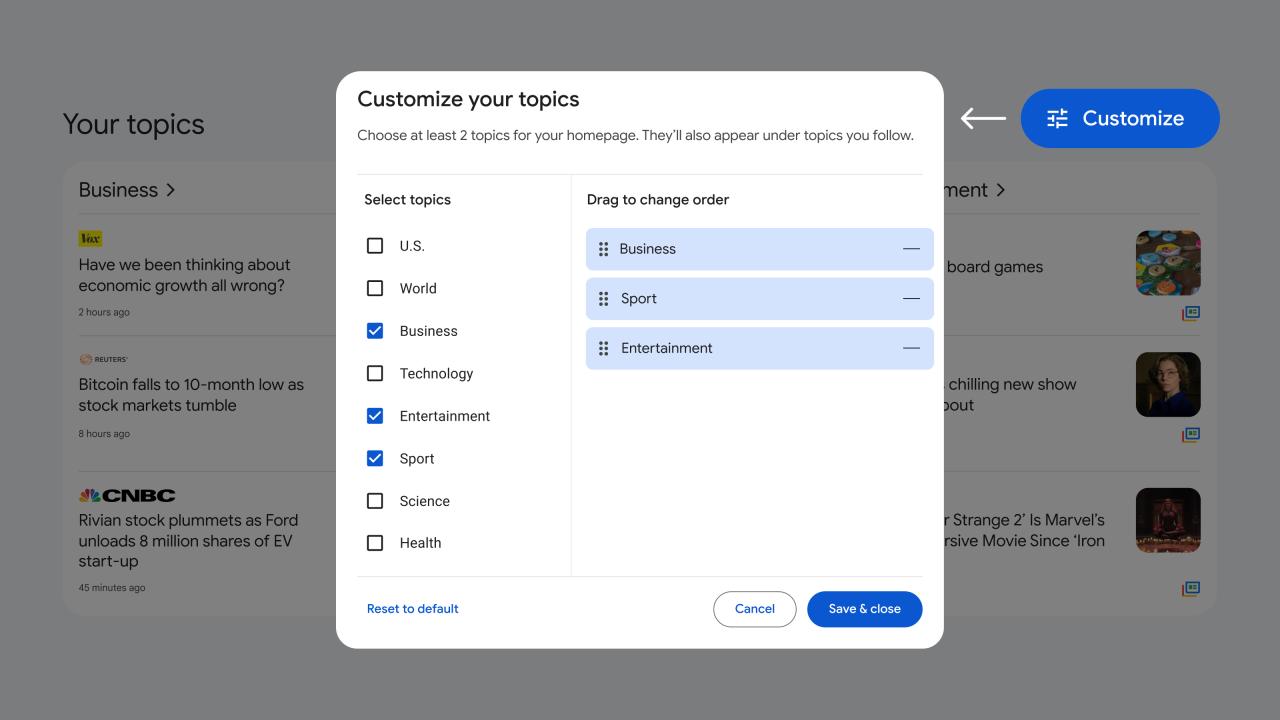
Key features include a customizable news feed that allows users to select topics of interest, ensuring that relevant articles are highlighted. The search functionality is robust, enabling users to quickly locate specific news articles or explore different subjects.
Design Elements for Effective Navigation
The following design elements contribute significantly to enhancing the navigation experience on Google News:
- Personalized News Feed: Users can tailor their news feed by selecting preferred topics, interests, or sources, creating a more relevant reading experience.
- Sections and Categories: News is organized into clearly defined sections such as “Top Stories,” “Local News,” “Technology,” and more, making it easier for users to browse various categories quickly.
- Card Layout: Articles are presented in card formats with engaging headlines, images, and brief summaries, allowing users to quickly skim through content.
- Infinite Scroll: The infinite scroll feature provides a seamless experience as users can continue to scroll through articles without needing to click to load more, keeping the engagement continuous.
- Navigation Bar: A fixed navigation bar at the top allows for easy access to different sections of the news platform, ensuring users can effortlessly switch between categories.
User Feedback Mechanisms
User feedback mechanisms are integral in shaping the Google News platform. The incorporation of user ratings, comments, and suggestions significantly influences content curation and feature updates.
- Feedback Buttons: Users can express their opinions on articles through thumbs up or down buttons, helping to curate content that resonates well with the audience.
- Surveys and Polls: Periodic surveys allow Google to gather insights on user preferences and satisfaction, which directly informs interface updates and content recommendations.
- Community Engagement: Users can engage with comments and discussions, providing valuable insights that shape the content presented on the platform.
Accessibility Features and Improvements
Google News has made significant strides in enhancing accessibility, ensuring that all users, including those with disabilities, can navigate the platform effectively.
- Screen Reader Compatibility: The platform is designed to be compatible with screen readers, allowing visually impaired users to access news articles through auditory descriptions.
- Keyboard Navigation: Google News supports keyboard shortcuts, enabling users to navigate through articles and sections without relying solely on a mouse.
- Text Size Adjustment: Users can easily adjust text size for better readability, catering to those with visual impairments.
- Color Contrast Controls: Enhanced color contrast settings help improve visibility for users with color blindness or other visual challenges.
Monetization strategies for news publishers on Google News
As digital media continues to evolve, news publishers need to adapt their monetization strategies to ensure sustainability and profitability. Google News provides various options that can help news outlets generate revenue while distributing their content. This discussion will explore the different monetization methods available, emphasizing the trade-offs between subscription models and ad-supported content, as well as showcasing successful case studies from reputable sources.
Monetization options available for news publishers
News publishers can leverage several monetization strategies within Google News to enhance their revenue streams. Below are some of the primary methods:
- Subscription Models: Many news publishers adopt a subscription model, offering readers exclusive content in exchange for a fee. This approach fosters a loyal readership that values quality journalism.
- Ad-Supported Content: Here, publishers earn revenue through advertising displayed alongside their content. This model allows for free access to news articles, attracting a broader audience while generating income from advertisers.
- Sponsored Content: Publishers can collaborate with brands to create sponsored articles or posts, providing a seamless blend of advertising and editorial content that can appeal to readers.
- Affiliate Marketing: News outlets can incorporate affiliate links within their articles, earning commissions on products or services that readers purchase through those links.
Effectiveness of subscription models versus ad-supported content
The choice between subscription models and ad-supported content often depends on the target audience and the type of content provided. Subscription models can lead to more stable revenue streams and foster deeper engagement with dedicated readers.
“Publishers prioritizing subscriptions often see higher customer loyalty and trust, translating into long-term profitability.”
Conversely, ad-supported content can generate quick revenue and provide free access, appealing to a wider audience. However, it might lead to increased reliance on fluctuating ad markets. A hybrid model that incorporates both strategies often proves to be the most effective in maximizing revenue while catering to diverse audience preferences.
Successful monetization case studies
Several reputable news outlets have successfully implemented monetization strategies on Google News, showcasing the potential for profitability in this digital landscape.
- The New York Times: They have embraced a subscription model, boasting over 10 million subscribers. Their approach combines high-quality journalism with a user-friendly app that provides exclusive content, effectively retaining subscribers.
- The Washington Post: This outlet utilizes a robust advertising strategy alongside its subscription services. They have successfully integrated native advertising, enabling brands to create sponsored content that aligns with their editorial standards.
- BuzzFeed News: Known for its engaging and shareable content, BuzzFeed effectively combines affiliate marketing with ad-supported articles, generating significant revenue while maintaining a loyal audience base.
These examples highlight how diverse monetization strategies can work in harmony, allowing news publishers to thrive in the competitive digital environment of Google News.